The Unpopular Beginning: the K1
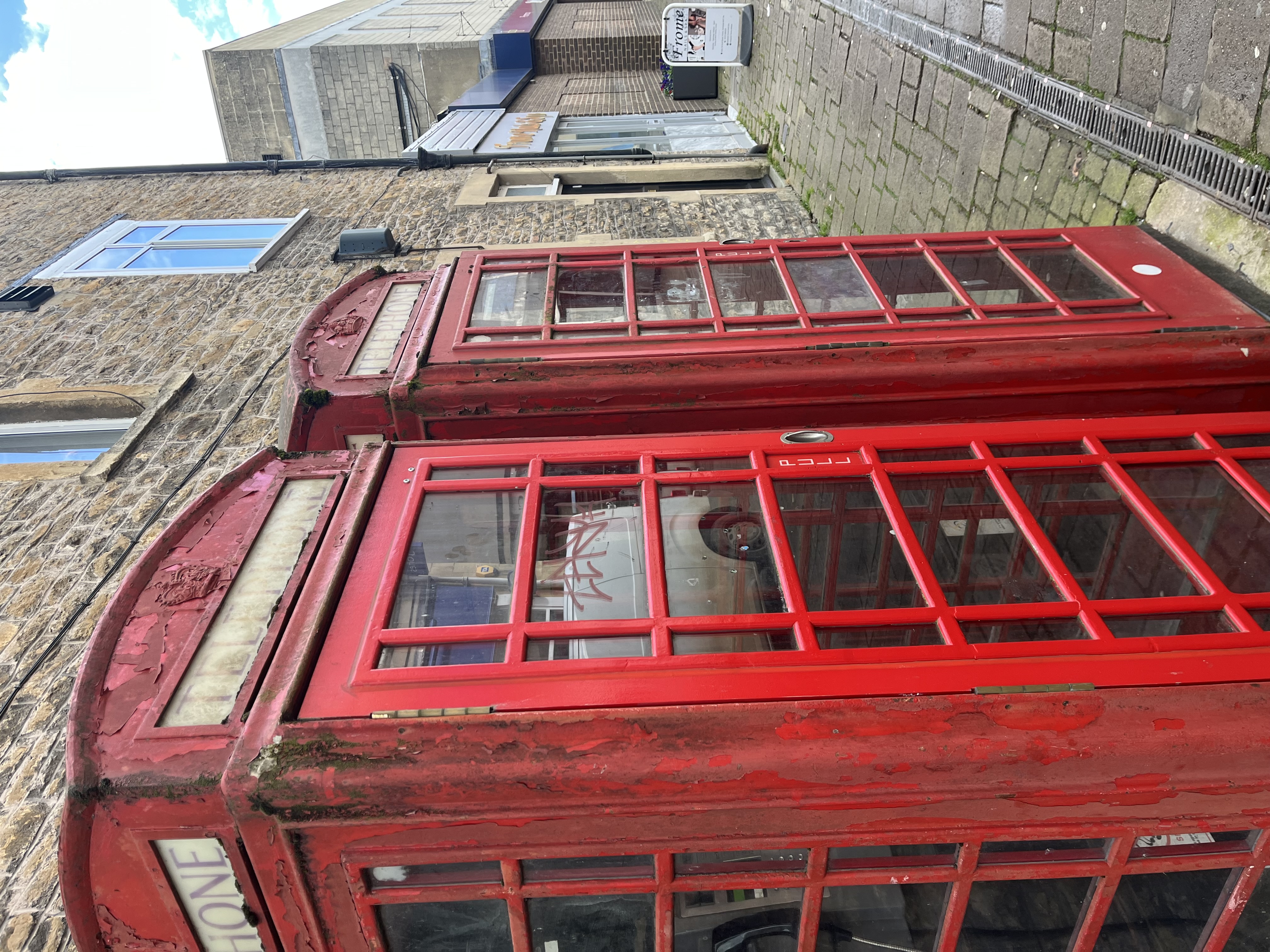
The red telephone box is now one of the most recognisable symbols of Britain, but its rise to iconic status was far from inevitable. Its colour, design and public perceptions evolved over decades and the story begins long before the famous K2 and K6 appeared on British streets.
Britain’s first standard public kiosk, the K1, appeared in 1921. Made of concrete and not yet painted red, it met a frosty reception from local authorities. Some even imposed unusual conditions: Eastbourne, for instance, insisted its kiosks be fitted with thatched roofs. The K1’s unpopularity laid the foundations for a redesign.
Scott’s Winning Design: the K2
In 1924, the Royal Fine Art Commission held a competition to create a kiosk acceptable to London’s boroughs. The winning design came from Sir Giles Gilbert Scott, the architect behind Liverpool Cathedral and Battersea Power Station. His submission became the K2, the first of the classic red kiosks. Red was chosen deliberately: vivid and easy to spot in the bustle of urban streets.
A Mixed Reception
Though beloved today, the red kiosk divided opinion when it first appeared. In rural areas in particular, many felt the bright “currant red” clashed jarringly with the landscape. This resistance led to occasional compromises, for example grey-painted kiosks were installed in more sensitive locations to appease local sensibilities.
From London to the Nation: the K6
The K2 launched in 1926, but its cast-iron construction and classical styling made it expensive, initially limited to London alone. The breakthrough came in 1935 with the K6, designed to mark King George V’s Silver Jubilee. More economical to produce, the K6 carried the red kiosk to every corner of the country, cementing it as a national fixture.
A Look Back in Time
By the late 20th century, the phone box had transformed from utility into symbol. Key moments in its journey to icon status:
Tourists now queue to photograph them, especially near Westminster, proof that the humble kiosk has transcended function entirely.
Preservation and New Uses
Around 2,000 kiosks across Britain now carry preservation orders, protecting them as structures of architectural importance. Rather than standing empty, many have found a second life repurposed for modern needs: